
Arezzo Jewelers • Diamond Education
Diamond Buying Guide: How to Choose the Right Diamond
Natural or lab-grown? Round or oval? VS1 or SI1? One carat or three? Buying a diamond can feel complicated when every stone comes with a long list of grades, measurements and specifications. It doesn't have to be.
This guide explains what actually matters when choosing a diamond, where you may be able to save without sacrificing beauty, and how to compare diamonds beyond the grading report.
What Should You Look for When Buying a Diamond?
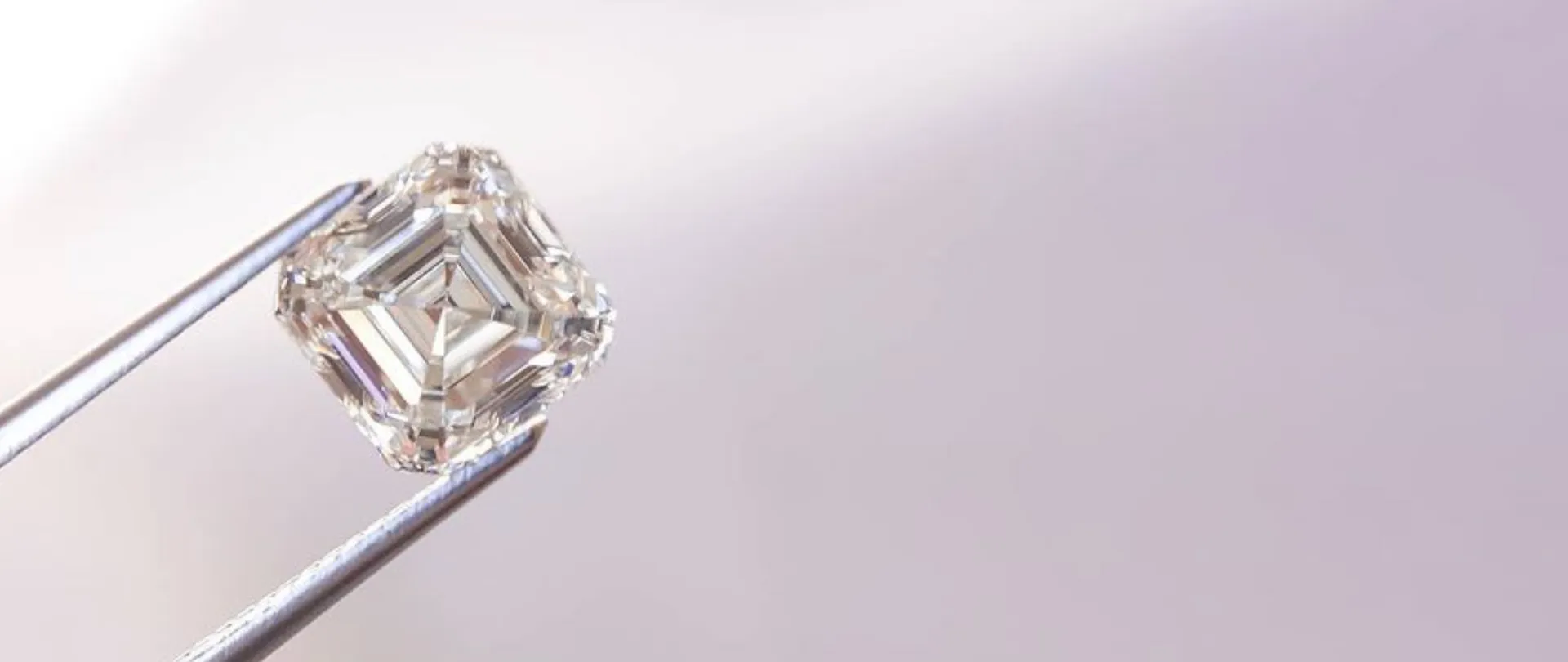
The traditional way to evaluate a diamond is through the 4Cs: Cut, Color, Clarity and Carat Weight. These characteristics provide a standardized way to describe diamond quality, but they do not tell the entire story.
Two diamonds can look very similar on paper and noticeably different when viewed side by side. That's why we recommend using a grading report to narrow your search—not make the final decision for you.
First Big Decision
Natural Diamonds vs. Lab-Grown Diamonds
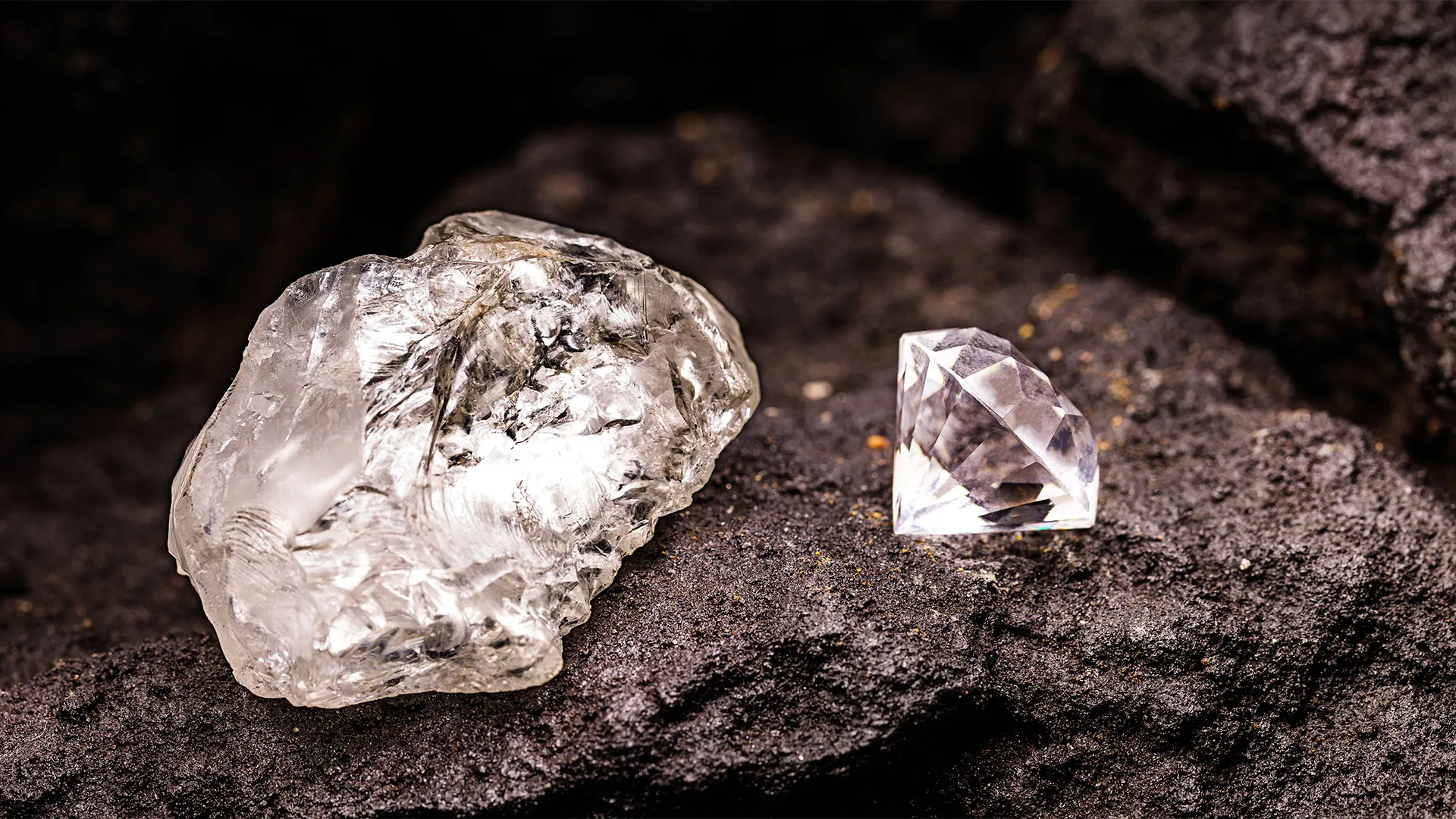
One of the first decisions many diamond buyers face today is whether to choose a natural diamond or a laboratory-grown diamond. Both are real diamonds, but their origins and market economics are different.
Natural diamonds formed through geological processes within the Earth. Laboratory-grown diamonds are produced using technology that creates the conditions needed for diamond crystal growth. Comparable natural and laboratory-grown diamonds can have essentially the same chemical composition, crystal structure and optical properties.
| Comparison | Natural Diamond | Lab-Grown Diamond |
|---|---|---|
| Origin | Formed naturally within the Earth | Created in a controlled laboratory environment |
| Is it a real diamond? | Yes | Yes |
| Appearance | Diamond brilliance and fire | Diamond brilliance and fire |
| Durability | Extremely durable | Extremely durable |
| Typical price | Typically higher | Typically lower for comparable size and quality |
| Rarity | Naturally occurring and finite | Can be manufactured |
| Often best suited for | Buyers who value natural origin, rarity and tradition | Buyers prioritizing size, specifications and visual impact for their budget |
Are Lab-Grown Diamonds Real Diamonds?
Can You Tell a Lab-Grown Diamond From a Natural Diamond?
Not reliably with the unaided eye. Proper identification can require specialized gemological equipment capable of detecting characteristics associated with a diamond's growth history.
Which Is Better: Natural or Lab-Grown?
Neither is automatically better. They satisfy different priorities.
Consider Natural If…
- Natural geological origin matters to you.
- You value rarity and tradition.
- You like the story of a naturally formed gemstone.
- You are comfortable allocating more of the budget to the center diamond.
Consider Lab-Grown If…
- You want a larger-looking diamond within a particular budget.
- Higher specifications are a priority.
- You are prioritizing visual impact over natural rarity.
- You want to allocate more budget toward the ring design or setting.
Diamond Quality Explained
Understanding the 4Cs of Diamond Quality
The 4Cs—Cut, Color, Clarity and Carat Weight—are the most widely recognized framework for describing diamond quality. The four characteristics are useful, but they are not equally important to every buyer.
1. Diamond Cut: Where the Sparkle Comes From
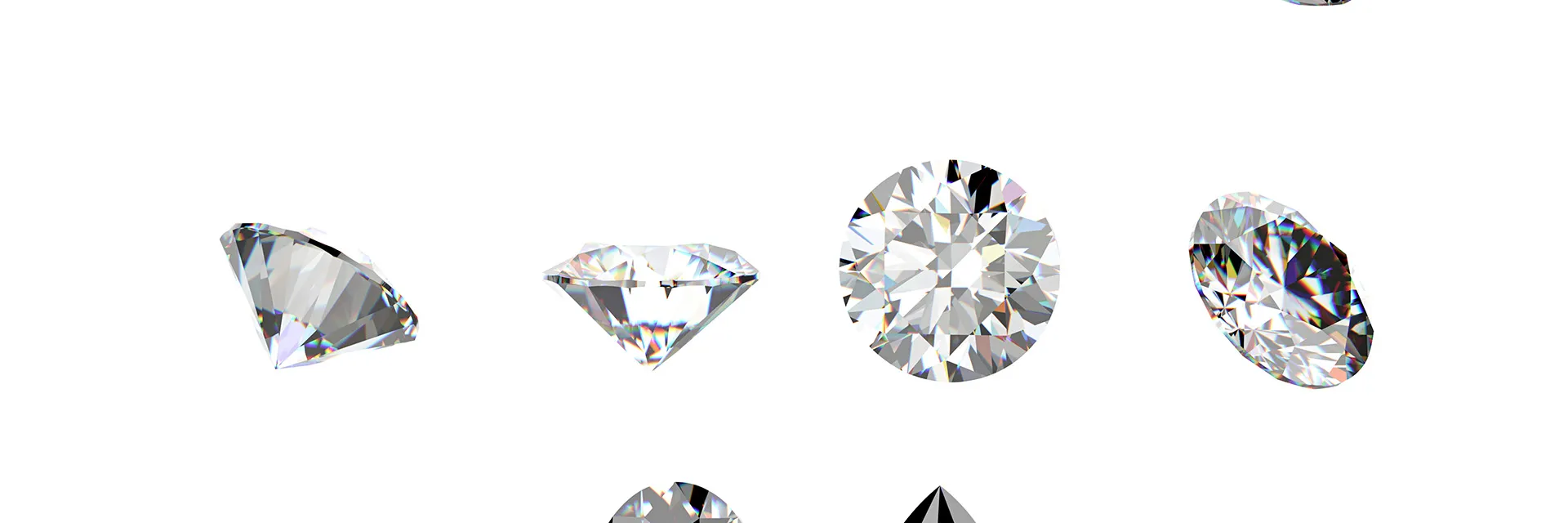
If brilliance and sparkle are your priority, cut deserves serious attention. Diamond cut describes how successfully a diamond's proportions and facets interact with light.
A beautifully cut diamond can return light toward the viewer, creating the brightness, fire and scintillation associated with a lively diamond. A diamond with less successful proportions may not perform as beautifully, even if it is larger or has higher color and clarity grades.
2. Diamond Color: How White Does a Diamond Look?
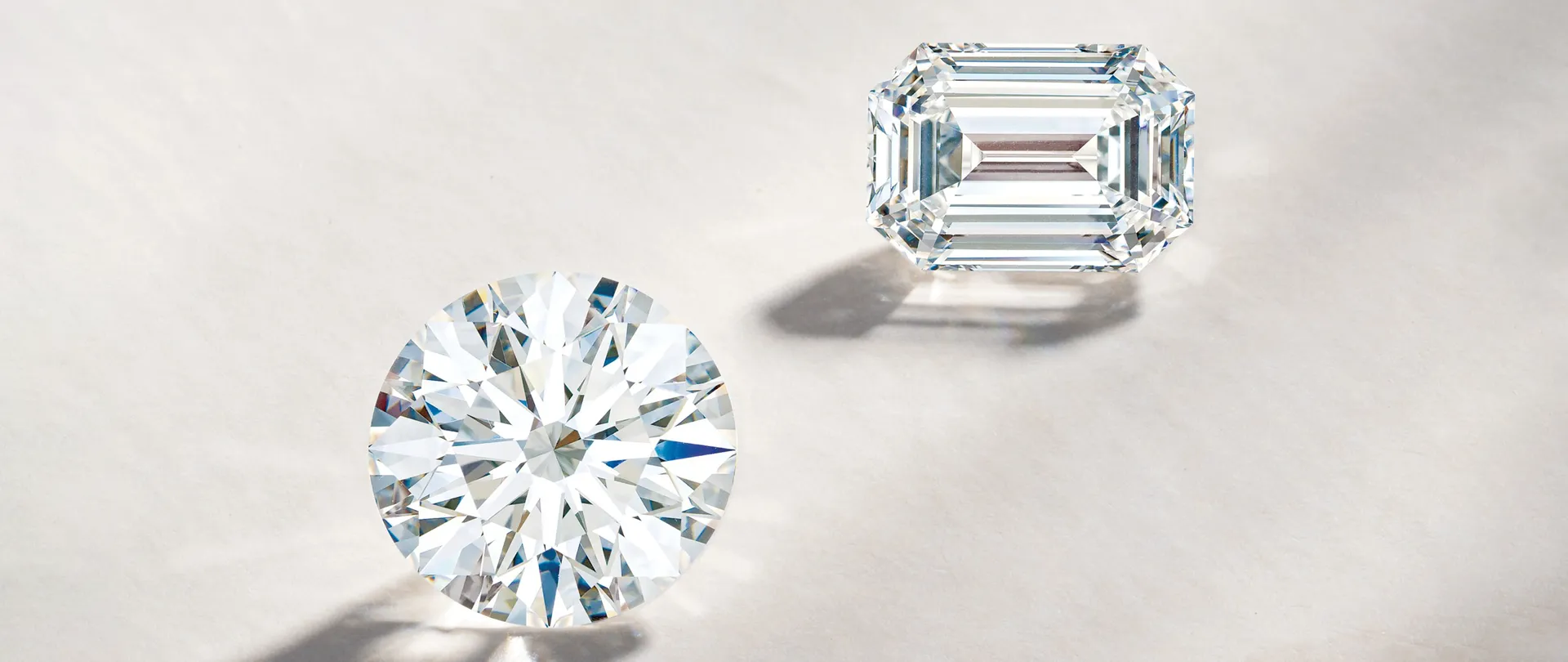
For traditional colorless-to-near-colorless natural diamonds, the GIA D-to-Z color scale begins at D on the colorless end and progresses toward increasing visible body color.
| Diamond Color Grade | General Classification |
|---|---|
| D–F | Colorless |
| G–J | Near Colorless |
| K–M | Faint Color |
| N–R | Very Light Color |
| S–Z | Light Color |
3. Diamond Clarity: How Important Are Inclusions?
Diamond clarity describes internal and external characteristics and how noticeable they are when evaluated under standardized conditions.
| Diamond Clarity Grade | Meaning |
|---|---|
| FL | Flawless |
| IF | Internally Flawless |
| VVS1–VVS2 | Very, Very Slightly Included |
| VS1–VS2 | Very Slightly Included |
| SI1–SI2 | Slightly Included |
| I1–I3 | Included |
What Is an Eye-Clean Diamond?
“Eye-clean” is a trade term commonly used to describe a diamond whose inclusions are not readily visible to the unaided eye under normal viewing conditions. It is not an official laboratory grade, and the result can vary by diamond size, lighting, viewing distance and the observer.
If two diamonds both look completely clean to you without magnification, you may decide that the higher clarity grade is less important than a characteristic you can actually see, such as size, cut or the ring design.
4. Diamond Carat Weight: Bigger Isn't Always Bigger
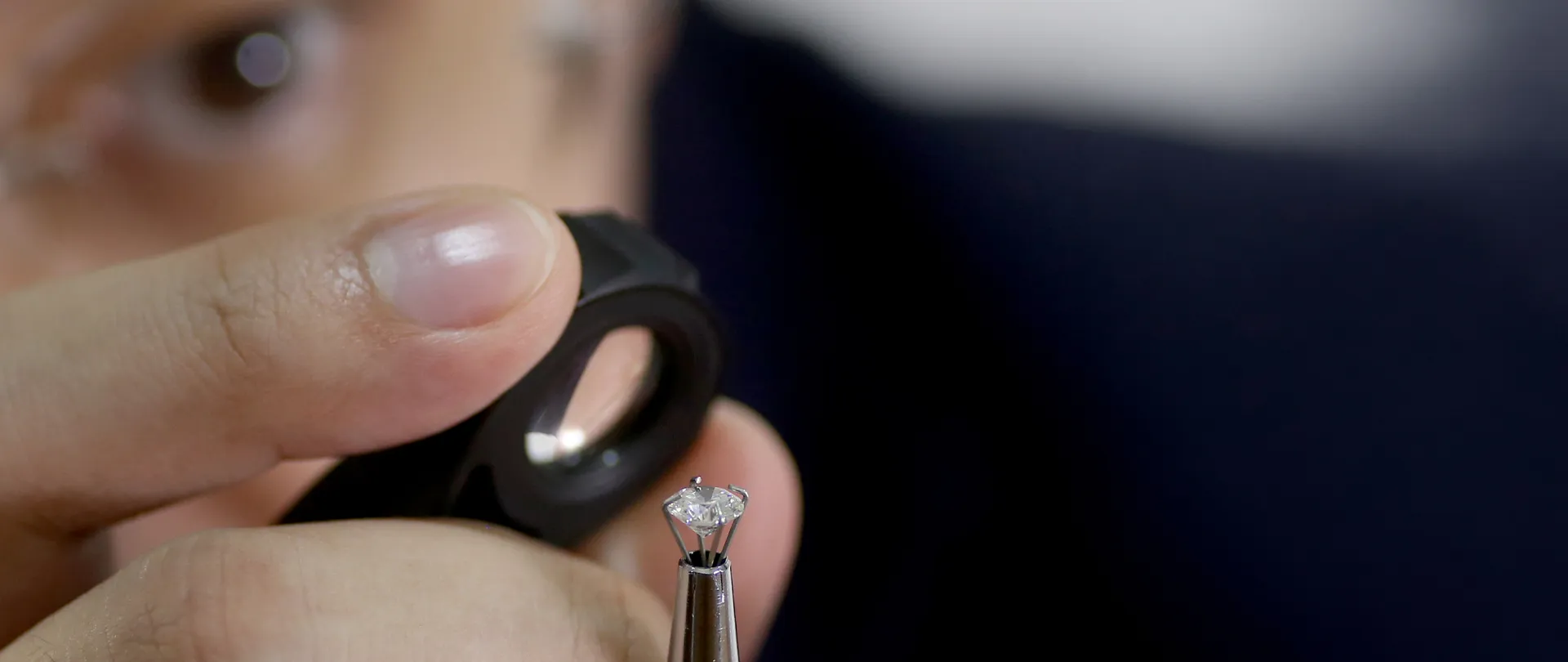
Two diamonds with the same carat weight can have different physical measurements. Shape, depth, girdle thickness and overall proportions all influence how large a diamond appears when viewed from the top.
Approximate Round Diamond Diameter by Carat Weight
The measurements below are approximate examples for reasonably proportioned round brilliant diamonds. Individual diamonds vary, so always compare the actual millimeter measurements on the grading report.
| Approx. Carat Weight | Typical Approx. Diameter |
|---|---|
| 0.50 ct | about 5.1 mm |
| 0.75 ct | about 5.8–5.9 mm |
| 1.00 ct | about 6.4–6.5 mm |
| 1.50 ct | about 7.3–7.4 mm |
| 2.00 ct | about 8.1–8.2 mm |
| 2.50 ct | about 8.7–8.9 mm |
| 3.00 ct | about 9.3–9.4 mm |
| 4.00 ct | about 10.2–10.3 mm |
| 5.00 ct | about 11.0–11.1 mm |
Find Your Style
Which Diamond Shape Should You Choose?
Diamond shape has a major effect on the personality of an engagement ring. There is no single “best” shape. Start with the outline you love, then evaluate the individual diamond's proportions and appearance.
Round Brilliant
Best for: Classic brilliance
The round brilliant is the traditional benchmark for diamond sparkle and works with nearly every engagement ring style.
Oval
Best for: Elongated brilliance
Oval diamonds combine brilliant-style faceting with a longer silhouette. Pay close attention to symmetry, outline and bow-tie visibility.
Emerald
Best for: Architectural elegance
Long step facets create the signature “hall of mirrors” appearance. Because the open table can make inclusions easier to notice, clarity often receives extra attention.
Radiant
Best for: Rectangular sparkle
Radiants combine a square or rectangular outline with brilliant-style faceting and can vary considerably in length-to-width ratio.
Cushion
Best for: Soft, romantic character
Cushion cuts typically feature rounded corners and are available in many faceting styles, giving them tremendous personality.
Pear
Best for: Distinctive elegance
Pear-shaped diamonds combine a rounded end with a pointed tip. Symmetry and bow-tie visibility are especially important.
Marquise
Best for: Dramatic finger coverage
The long pointed outline can create impressive visual coverage. Look for attractive symmetry and protected pointed ends.
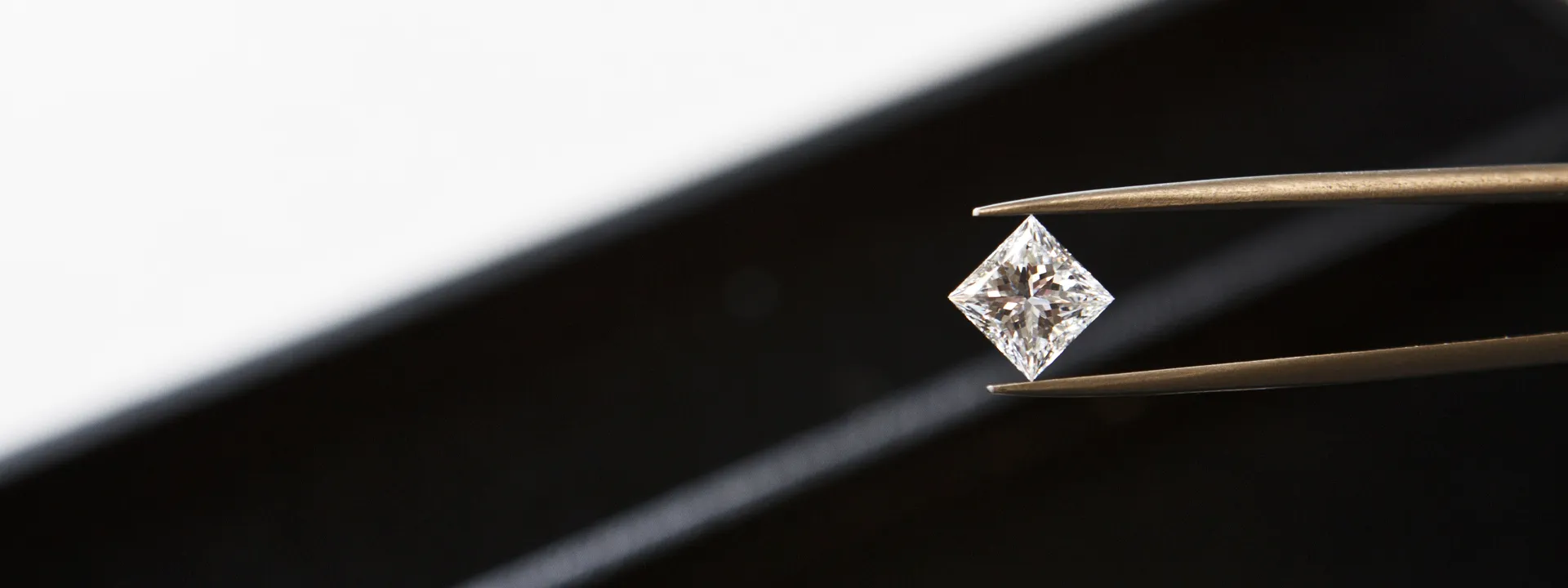
Princess
Best for: Modern square brilliance
Princess cuts combine a crisp square outline with strong sparkle. Their corners should be properly protected in the setting.
Asscher
Best for: Art Deco geometry
Asscher cuts use step facets and a square outline for a distinctive vintage-inspired appearance.
Which Diamond Shape Looks the Biggest?
Know What the Paper Means
Diamond Grading Reports: GIA, IGI and What They Actually Tell You
You'll often hear people use the phrase “diamond certificate.” Technically, what you're usually looking at is an independent diamond grading report.
A grading report can document characteristics such as:
- Measurements
- Carat weight
- Color
- Clarity
- Cut information where applicable
- Polish
- Symmetry
- Fluorescence
- Proportions
- Report number and identifying information
Two grading organizations consumers frequently encounter are GIA (Gemological Institute of America) and IGI (International Gemological Institute).
A Current Note About GIA Lab-Grown Diamond Assessments
Beginning October 1, 2025, GIA changed its service for eligible colorless-to-near-colorless laboratory-grown diamonds. GIA's Laboratory-Grown Diamond Quality Assessment now classifies qualifying stones as Premium or Standard based on an overall assessment rather than using the same reporting nomenclature developed for natural diamonds.
Because laboratory reporting systems can change, always pay attention to which laboratory issued the document and what that specific report or assessment is designed to communicate.
Don't Buy the Grading Report. Buy the Diamond.
Two diamonds with very similar specifications can still differ in their proportions, light return, inclusion placement, visible dimensions, bow-tie effect, outline and overall character.
That's why comparing diamonds with your own eyes—or having an experienced diamond professional evaluate your final choices—can be so valuable.
Plan the Whole Ring
How Much Should You Spend on an Engagement Ring?
Think about how you want to divide your total budget among:
- The center diamond
- The engagement ring setting
- Custom design details
- Your future wedding band, if you're planning the complete set
A beautifully designed ring that fits your budget is better than a larger purchase that creates unnecessary financial stress.
Should You Choose the Diamond or the Setting First?
Either approach can work, but consider the entire ring budget before committing to one component.
If your total budget is $5,000 and the setting you love costs $2,000, that changes what is available for the center stone. If the center diamond is your highest priority, choosing it first can help define the remaining setting budget.
From the Jeweler
A Jeweler's Advice: Don't Shop for a Diamond on Paper Alone
I've compared thousands of diamonds over the years, and one of the biggest mistakes I see is assuming that the grading report tells you which diamond will look best.
It doesn't.
The report gives us incredibly valuable information and helps narrow the choices. After that, I want to see the diamond.
- How does it handle light?
- Where are the inclusions?
- Does it face up well for its weight?
- Does the shape look balanced?
- Does an oval have an overly distracting bow tie?
- Does an emerald cut have the crisp, open look we're trying to achieve?
About the Author
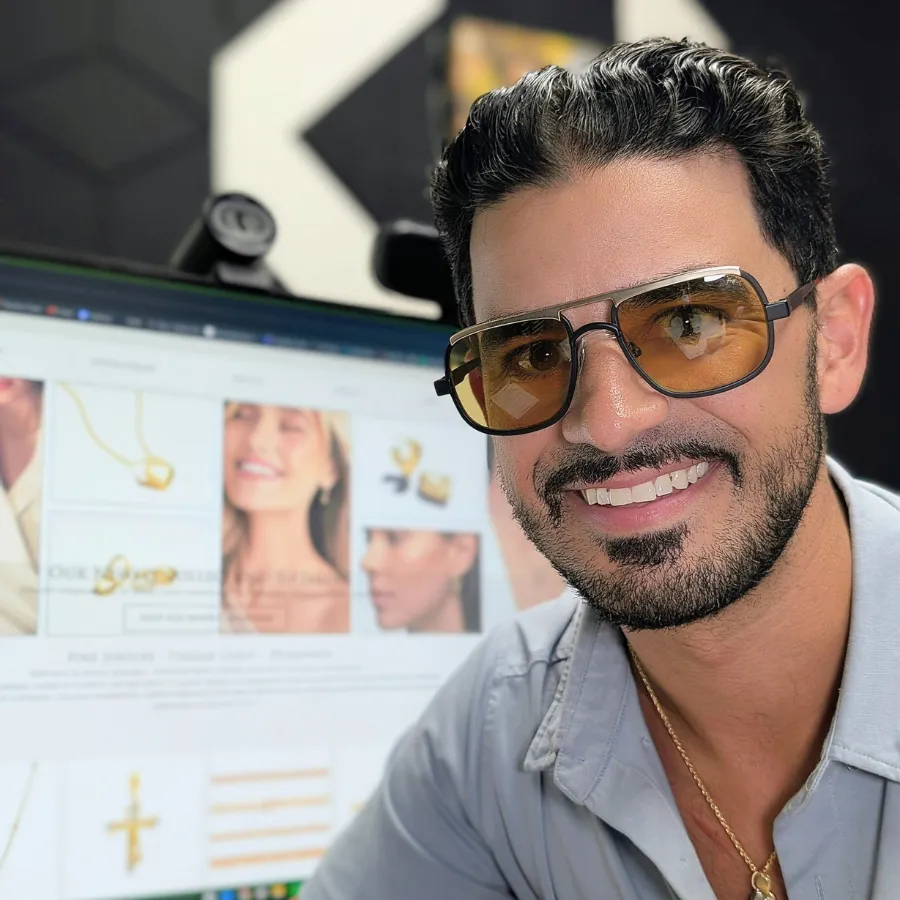
Vincent Spilotro, GIA Graduate Gemologist
Vincent is the Creative Director and lead custom engagement ring designer at Arezzo Jewelers in Elmwood Park, Illinois. His approach combines gemological knowledge, hands-on diamond comparison and custom design to help clients choose diamonds based on both objective quality and real-world appearance.
Learn about custom engagement rings at Arezzo Jewelers →Local Diamond Guidance
Buying a Diamond in Chicago? See It Before You Decide.
Online diamond searches are excellent for comparing options, but you don't have to make one of life's most meaningful jewelry purchases entirely from a computer screen.
At Arezzo Jewelers in Elmwood Park, Illinois, we help clients from Chicago and the surrounding suburbs compare natural and lab-grown diamonds, understand grading information and select stones based on how they actually look—not simply which specifications appear best online.
Arezzo Jewelers
7544 W. North Ave., Suite 1
Elmwood Park, IL 60707
(708) 716-3626
Common Questions
Frequently Asked Questions About Buying a Diamond
Are lab-grown diamonds real diamonds?
Can you tell a lab-grown diamond from a natural diamond by looking at it?
What are the 4Cs of a diamond?
Which of the 4Cs is most important?
Is a VS1 diamond better than a VS2 diamond?
Is G color good for a diamond?
Does a higher carat diamond always look bigger?
Which diamond shapes look largest for their carat weight?
What is a diamond bow tie?
Do I need a flawless diamond?
Should I buy a natural or lab-grown engagement ring?
How much should I spend on an engagement ring?
Should I buy a diamond online or in person?
Your Next Step
Find the Diamond That's Right for You
The best diamond isn't necessarily the one with the highest color grade, highest clarity grade or largest carat weight. It's the diamond that gives you the combination of beauty, quality, meaning and value you're looking for.
Educational information is intended as a general buying guide. Individual diamonds vary and should be evaluated on their own characteristics and appearance.